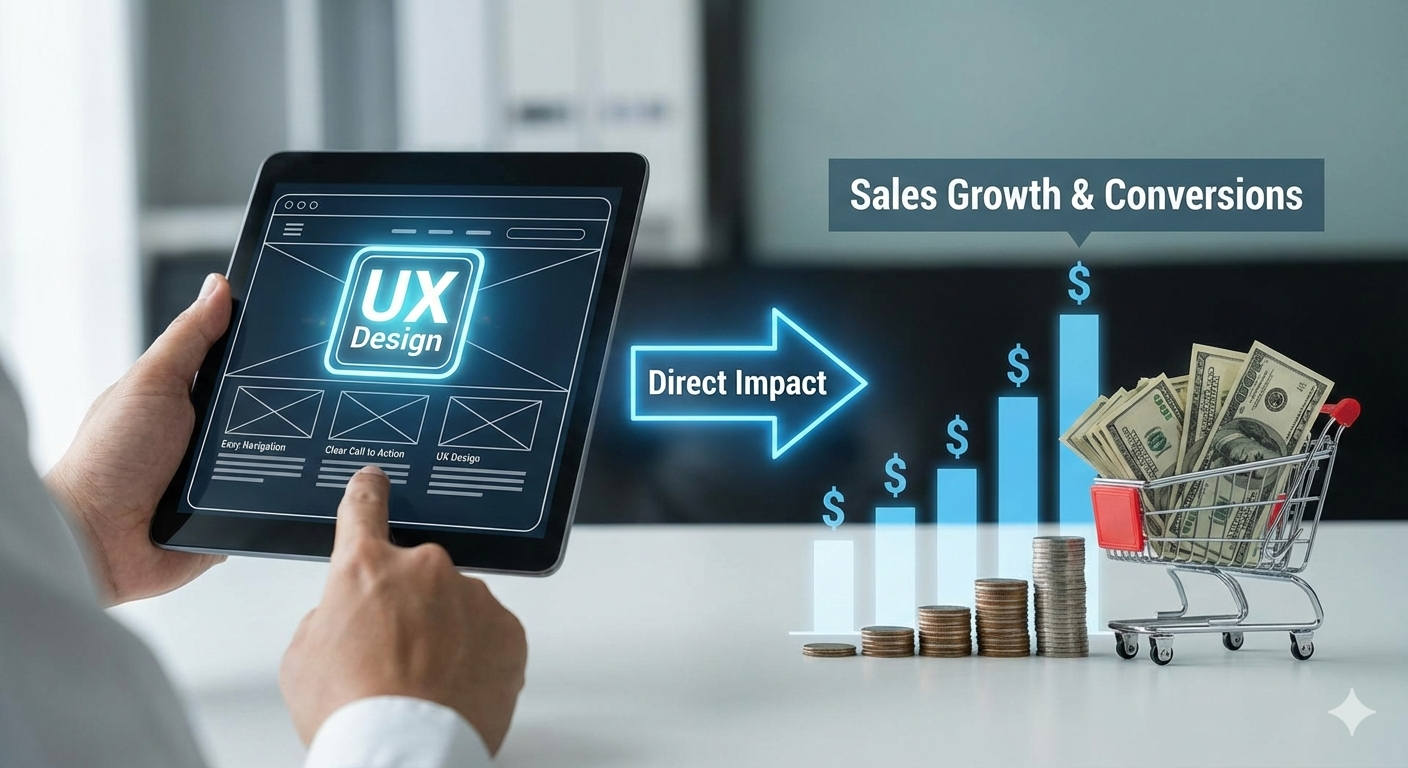
User Experience (UX) design is not just about how a website looks — it’s about how it works, how it feels, and how easily users can accomplish their goals. In 2026, UX design has become one of the most important drivers of online revenue.
If visitors struggle to navigate your website, find information, or complete a purchase, sales drop. If the experience is seamless, intuitive, and trustworthy, conversions increase.
This article explains exactly how UX design directly impacts sales and why businesses must prioritize it.
What Is UX Design?
UX (User Experience) design focuses on how users interact with a website or application.
It includes:
Navigation structure
Page layout
Mobile responsiveness
Site speed
Readability
Calls-to-action (CTAs)
Checkout flow
Accessibility
UX is not decoration. It is the architecture behind user decisions.
1. First Impressions Influence Buying Decisions
Users form an opinion about your website in seconds.
A clean layout, fast loading time, and clear messaging immediately build trust. On the other hand:
Cluttered pages
Confusing menus
Slow performance
Poor mobile design
…cause users to leave before they even consider buying.
A strong UX reduces bounce rates and increases engagement — the first step toward conversion.
2. Simpler Navigation Increases Conversions
When users cannot find what they need quickly, they abandon the website.
Good UX design ensures:
Clear menu hierarchy
Logical page structure
Internal linking that guides users
Prominent search functionality
If users can move smoothly from landing page to product page to checkout, they are more likely to complete a purchase.
Complex navigation reduces sales. Clear pathways increase them.
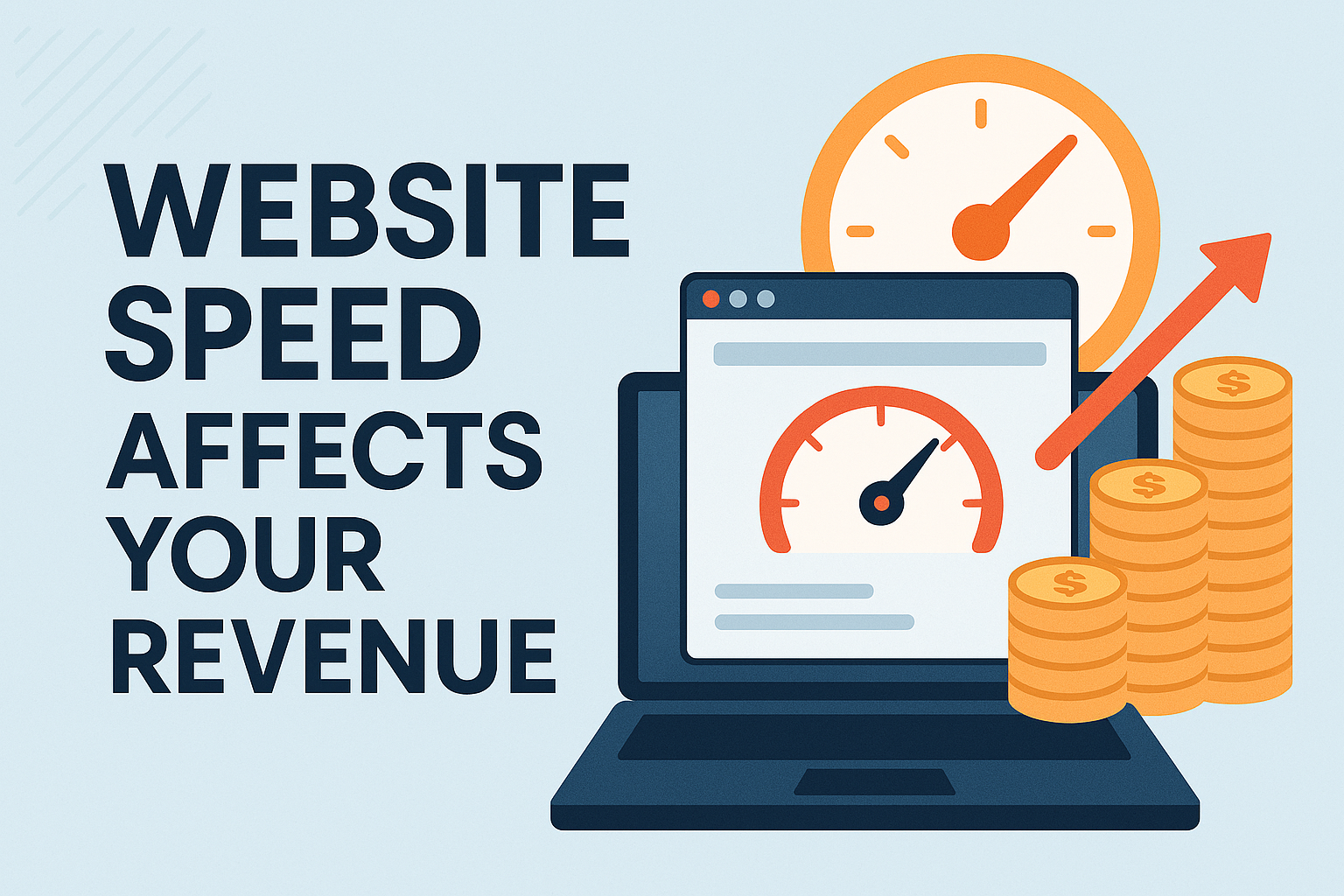
3. Page Speed Directly Affects Revenue
Speed is a core part of UX.
Slow-loading websites:
Increase bounce rates
Reduce trust
Lower search rankings
Decrease conversion rates
Fast websites create frictionless experiences. Even small speed improvements can significantly increase sales.
Performance optimization is not just technical — it’s revenue-driven.
4. Mobile UX Impacts Buying Behavior
A large portion of users browse and shop on mobile devices.
If a website:
Is not responsive
Has hard-to-click buttons
Requires zooming
Has slow mobile load times
…users abandon the process.
Mobile-friendly UX design increases:
Add-to-cart rates
Form submissions
Completed transactions
Poor mobile design directly reduces revenue.
5. Clear CTAs Guide Users Toward Action
Every page should guide users toward a clear next step.
Strong UX ensures:
Buttons stand out
CTAs are strategically placed
Language is action-oriented
Forms are simple
Confusing or hidden CTAs cause hesitation. Clear calls-to-action remove uncertainty and increase conversions.
6. Trust Signals Improve Purchase Decisions
Users will not buy from websites they do not trust.
UX design builds credibility through:
Professional layout
Testimonials and reviews
Clear contact information
Secure checkout indicators
Transparent pricing
Trust reduces hesitation, and reduced hesitation increases sales.
7. Reduced Friction in Checkout Boosts Sales
A complicated checkout process is one of the biggest causes of cart abandonment.
Good UX design:
Minimizes form fields
Offers guest checkout
Shows progress indicators
Clearly displays shipping and pricing
Reduces unnecessary steps
Every extra click increases the risk of losing the sale.
8. UX Reduces Cognitive Load
When users have to think too hard, they leave.
Effective UX:
Uses white space strategically
Keeps messaging clear and concise
Avoids overwhelming layouts
Highlights key information
Simple experiences increase confidence, and confidence increases conversions.
9. Better UX Improves SEO Performance
Search engines reward websites that provide good user experiences.
Strong UX improves:
Time on site
Pages per session
Bounce rate
Engagement signals
Improved SEO leads to more qualified traffic, which leads to higher sales opportunities.
UX and SEO are closely connected in modern digital strategies.
10. Positive UX Encourages Repeat Customers
Sales are not only about first-time buyers.
A smooth and satisfying experience increases:
Customer retention
Brand loyalty
Word-of-mouth referrals
Repeat purchases
Users return to websites that are easy to use and reliable.
Long-term revenue depends heavily on experience quality.
Real-World Impact: Small Improvements, Big Results
Even minor UX improvements can lead to:
Higher conversion rates
Lower cart abandonment
Increased average order value
Better customer satisfaction
Businesses that consistently test and improve UX often outperform competitors significantly.
Companies like SIBZ SOLUTIONS emphasize UX as a core component of digital growth strategies because design decisions directly influence user behavior.
Key UX Elements That Drive Sales
To summarize, high-converting UX design includes:
✔ Fast load speed
✔ Mobile optimization
✔ Clear navigation
✔ Strong visual hierarchy
✔ Simple checkout process
✔ Strategic CTAs
✔ Trust-building elements
✔ Clean and distraction-free layouts
Final Thoughts
UX design is not just about aesthetics — it directly impacts revenue.
When users:
Understand your website easily
Find what they need quickly
Trust your brand
Complete actions without friction
…sales increase naturally.
In 2026, businesses that treat UX as a revenue strategy — not just a design feature — gain a measurable competitive advantage.
If your website is not converting as expected, the problem may not be traffic. It may be user experience.